
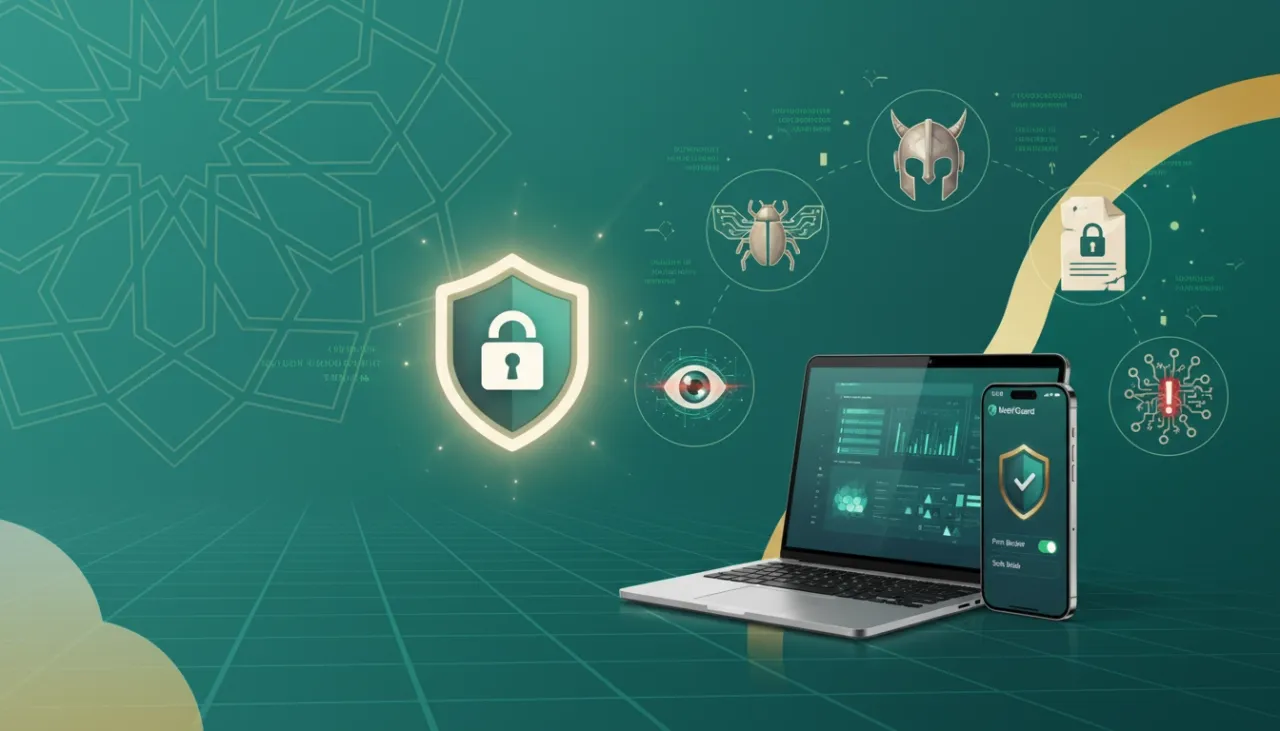
The 5 Most Common Types of Malware and Their Impact on Cyber Security
What is Malware Software?
“Malicious Software” or malware refers to programs designed to steal data, hack computers, control devices, or hold files hostage. These harmful programs target personal accounts and PCs, potentially slowing down networks and systems.
Exploring the Five Most Common Types of Malware
1. Ransomware: The Digital Blackmailer
Ransomware involves hackers holding victims’ important files hostage and demanding payment for their return. Notable examples include WannaCry, Ryuk, and Maze.
2. Viruses: The Self-Duplicating Whip
Viruses are a kind of harmful software that have the ability to spread by attaching to legitimate programs. They cause system crashes, hardware damage, and data corruption. Examples: ILOVEYOU, Melissa, MyDoom.
3. Worms: The Network Predators
Unlike viruses requiring human interaction, worms spread automatically by duplicating themselves without user involvement. Examples: Morris worm, Code Red, SQL Slammer.
4. Trojans: The Deceitful Imposters
Trojans disguise themselves as legitimate software to gain entry and steal sensitive data or control devices. Examples: Emotet, Trickbot, Zeus.
5. Spyware: The Invisible Watchers
Spyware secretly monitors user activities, tracking conversations, taking screenshots, and recording passwords and financial details. Examples: FinSpy, FlexiSpy, Predator.
How These Malwares Spread
Phishing Attacks: Suspicious emails and social media messages with malicious links enable attackers to compromise accounts.
Malicious Downloads: Pirated software and drive-by downloads from compromised websites install malware without permission.
Exploiting Vulnerabilities: Attackers target unpatched systems and unknown software weaknesses.
Social Engineering: Methods include pretexting, baiting (infected USB devices), and scareware security warnings.
Insider Threats: Employees may misuse access to steal data, accidentally send sensitive information, or click infected links.
Effects of Malware
- Data Loss: File deletion and encryption rendering data inaccessible
- System Disruptions: Crashes, slowdowns, and hardware damage
- Security Breaches: Data theft and unauthorized system access
- Identity Theft: Personal information misused for fraudulent accounts and services
- Financial Loss: Ransom payments, fraudulent transactions, and repair costs
- Reputational Damage: Lost customer trust and negative media coverage
- Disrupted Productivity: Delayed work and halted operations
Conclusion
Proactive prevention measures and awareness are essential for protecting against malware’s significant personal and professional impacts.